
You own a Craftsman bungalow near Downtown Las Vegas, maybe a block from Fremont Street or a short drive from the Springs Preserve, and you want to remodel without losing the character that drew you to the house. Historic plaster walls are repairable in many cases, but preserving them during a home remodeling project in Las Vegas requires an assessment that accounts for desert climate stress, past repairs, and updated mechanicals. This guide explains what Pro Vegas Home Remodel will check, realistic cost expectations, and the practical sequence we use to keep original plaster where it makes sense.
Key takeaways
- Many original plaster walls in Las Vegas Craftsman bungalows can be preserved with targeted repairs rather than full replacement.
- A qualified general contractor will assess structural movement, moisture, and electrical/plumbing needs before deciding on repair versus replacement.
- Expect local cost ranges and a phased plan: evaluation, temporary protections, repair or patching, and finishing.
- Permits and matching historic finishes matter for neighborhood character and resale in areas near Downtown Las Vegas.
Why historic plaster matters in East Fremont and other local neighborhoods
Preserving original plaster preserves texture, depth, and period moldings that define Craftsman bungalows in neighborhoods like East Fremont, Historic Westside, and the Arts District. Beyond aesthetics, plaster can add mass that moderates interior temperatures in the Las Vegas heat. When you discuss your project with a general contractor consider these local factors:
- Heat and sun exposure: intense sun and temperature swings cause different expansion than in temperate climates.
- Moisture events: rare monsoon storms and any past plumbing leaks both leave distinct damage patterns.
- Previous repairs: gypsum board patches or improper fasteners can complicate restoration.
For a full project plan that includes preserving original features, see our Home Remodeling page to learn how we manage historic details alongside modern systems.
Initial evaluation: what your contractor will inspect
A careful inspection separates salvageable plaster from areas that need removal. Your contractor will:
- Check structural movement: look for stair-step cracks, separation at ceilings, and shifted door frames.
- Test for moisture: use a moisture meter behind baseboards, around bathrooms, and near the foundation.
- Identify hidden work: open small inspection holes to examine lath type, nail condition, and any friable layers.
- Confirm utilities: locate wiring and plumbing inside walls to avoid surprises during demolition.
- Evaluate historic finishes: original lime plaster and horsehair are different from later Portland cement mixes, and they require different repair materials.
This step determines whether targeted repairs, consolidation, or complete re-lathing is the correct approach.
Repair options and when to replace
You will typically face three realistic options when making decisions for your home remodeling project:
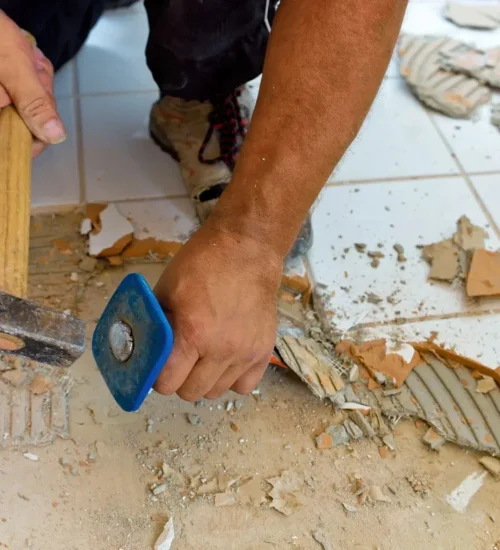
- Consolidation and patch repair: best when most plaster is intact but there are localized cracks, small delaminations, or surface damage. We use compatible lime-based or gypsum-based patching compounds and stainless fasteners where needed.
- Partial re-lath and plaster: chosen when several adjacent bays fail or when utilities require opening a wall. We match the original lath spacing and plaster profile to keep texture continuity.
- Full replacement with drywall: necessary when plaster is extensively delaminated, heavily water damaged, or when the wall must be opened for full rewiring and plumbing replacement.
For bathroom remodeling or kitchen remodeling projects, moisture-prone areas around tubs, sinks, and behind ranges often justify replacement with modern backer materials to protect your investment. We will document areas to save and areas to replace so you have a clear budget and timeline.
Cost expectations and budgeting for Las Vegas projects
Budgeting for plaster preservation depends on the extent of repairs, access, and finish matching. Typical ranges you should expect in the Las Vegas area:
- Small patch repairs and consolidation: $200 to $800 per wall section, depending on texture matching and priming.
- Partial re-lath and plaster per affected bay: $600 to $1,800, including custom mixing and feathering.
- Full replastering or drywall replacement per room: $2,500 to $8,000 for average rooms, higher for ornate trim or high ceilings.
Items that raise cost:
- Hidden water damage and mold remediation.
- Replacing old knob-and-tube or unsafe wiring encountered during work.
- Historic finish replication and custom tinting of paints.
If you are comparing contractors, request itemized bids and confirm that cost estimates include surface preparation, matching textures, and final painting. For projects that combine kitchen remodeling or bathroom remodeling we provide bundled estimates so you see the combined savings from coordinating mechanicals and finishes. Call Pro Vegas Home Remodel at (702) 850-3393 to schedule an evaluation.
How we sequence a typical preservation remodel
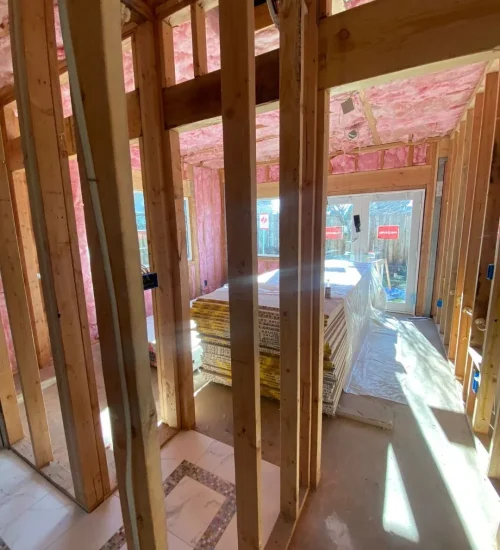
A clear sequence reduces risk to original plaster and shortens downtime. Our standard process for a Craftsman bungalow near Downtown Las Vegas is:
- Step 1: Document and photograph existing finishes and trim for color and texture reference.
- Step 2: Protect floors, windows, doors, and woodwork with breathable barriers and temporary supports.
- Step 3: Test and locate utilities, then install temporary power or water shutoffs if needed.
- Step 4: Make targeted openings to inspect lath and backing, then consolidate loose areas with adhesives and stainless screws.
- Step 5: Patch and re-finish using compatible materials, sanding only where necessary to avoid damaging surrounding plaster.
- Step 6: Prime using a flexible primer appropriate for historic plaster, then paint or custom finish to match original sheen and color.
For bathrooms and kitchens we coordinate with plumbers and electricians before any wall removal, and we use moisture-resistant materials behind fixtures even when the visible plaster is preserved. You can see examples of work in the Las Vegas area on our Las Vegas page.
Permits, timelines, and coordinating with your neighborhood in Downtown Las Vegas
When your project touches structural elements or moves plumbing and electrical, you will need permits from the City of Las Vegas or Clark County depending on location. Typical timelines:
- Permit review and approval: 2 to 6 weeks for standard remodels.
- Small plaster repairs: 1 to 3 days; painting follows the cure time.
- Partial re-lath or replastering: 1 to 2 weeks depending on drying times and finish coats.
- Full room remodel including kitchen or bathroom: 4 to 12 weeks depending on scope.
Coordination notes specific to Downtown Las Vegas neighborhoods:
- Work hours and street access: some blocks near Fremont Street have parking restrictions during events.
- Historic district considerations: matching exterior or interior historic features may require approvals through local preservation boards.
We handle permit submissions and inspections as part of our service, so you do not need to juggle approvals while managing contractors.
Preservation tips for homeowners before the contractor arrives
Take a few practical steps to protect your home and keep costs down:
- Remove pictures and fragile items from walls, and label original pieces of molding or hardware you want reused.
- Photograph original finishes and note any discoloration you want preserved for reference.
- Clear access routes and identify staging areas for materials and dumpsters, preferably on private driveways and not on busy Fremont Street blocks.
- If you suspect past water damage, secure any insurance documentation; our team can coordinate with adjusters and we have guidance on Insurance Claims And Water Damage In Las Vegas: What Homeowners Need to Know!.
These steps shorten onsite time and reduce the chance of accidental damage to historic elements.
Deciding factors: when you should keep plaster and when to modernize
Keep the plaster when:
- Most surfaces are sound and only show hairline cracks or local delamination.
- You value the original texture and the wall does not need to be opened for major mechanical upgrades.
Choose replacement when:
- Plaster is heavily compromised by moisture, mold, or continuous structural movement.
- You need to open walls for new wiring, HVAC, or a full bathroom remodel that requires modern moisture barriers.
Your decision will balance preservation value, long-term maintenance, and the functional needs of kitchen remodeling or bathroom remodeling. Our team gives clear alternatives and cost comparisons so you can decide with confidence.
Frequently asked questions
What is the 30% rule in remodeling?
The 30 percent rule is a budgeting guideline suggesting that if a remodel will cost more than about 30 percent of the home’s value, you should consider a different approach because return on investment may be low. For historic Craftsman bungalows near Downtown Las Vegas, use this as a starting point only. The rule does not account for unique historic value, neighborhood comparables, or essential structural fixes. Pro Vegas Home Remodel will prepare itemized estimates so you can compare preserving plaster, doing partial replacement, or full modernization against expected resale value in neighborhoods like East Fremont.
Is $50,000 enough to renovate a house?
A $50,000 budget can cover many focused renovations, such as kitchen remodeling, a primary bathroom overhaul, or structural repairs in a single-story bungalow. For whole-house renovations, especially when preserving historic plaster and matching finishes, $50,000 may be tight once mechanical upgrades and permit-required work are included. We provide phased plans so you can prioritize essential repairs, preserve significant original features, and schedule later phases as budget allows.
What is the difference between renovating and remodeling?
Renovating typically means restoring or refreshing existing elements, like repairing plaster, repainting, or replacing fixtures to bring a room back to good condition. Remodeling changes the structure or function, such as moving walls, reconfiguring a kitchen layout, or replacing plaster with drywall to accommodate new systems. For your Craftsman bungalow, plaster preservation is renovation when the wall stays; replacing lath to pass new wiring is remodeling because it alters wall composition and may change usage of the space.
What does a $10,000 bathroom remodel look like?
A $10,000 bathroom remodel in Las Vegas usually replaces fixtures and finishes without changing the room footprint. Typical elements included:
- New vanity and countertop, mid-range materials.
- Refinished or replaced tub and surround, or a tiled shower in a small footprint.
- New fixtures, plumbing trim, and basic lighting.
- Tile or luxury vinyl flooring and fresh paint.
If your bathroom has original plaster walls that you want to keep, part of that budget should cover plaster repair, moisture barrier upgrades behind wet areas, and matching finishes. Pro Vegas Home Remodel will give a line-item estimate so you can see trade-offs between preserving historic features and installing modern waterproof systems.
Ready to get started? Contact Pro Vegas Home Remodel today.